
When it comes to AI image generation technology, the industry has seen significant advancements. One of the most popular methods for image generation is Generative Adversarial Networks (GANs).
GANs consist of two neural networks, the generator and the discriminator, which work together to produce high-quality, realistic images.
The generator network creates images from random noise, while the discriminator network evaluates these generated images and compares them to real ones.
Through an iterative process, the generator learns to create increasingly realistic images, while the discriminator becomes more adept at distinguishing between real and generated images.

Techniques such as Variational Autoencoders (VAEs) and Deep Convolutional Generative Adversarial Networks (DCGANs) have played a crucial role in developing the ability to generate images.
VAEs focus on learning the underlying structure of the input data, allowing for the generation of new images with similar characteristics. On the other hand, DCGANs specifically optimize GANs for generating images, leveraging convolutional neural networks to enhance image quality and diversity.
Learn more about Image Search Functionality
These AI image generation methods have immense potential for businesses in sectors such as e-commerce, design, gaming, and content creation. By incorporating these advancements, companies can automate AI image generation processes, create personalized visual content, and even improve user experiences through custom-generated visuals.
Easy-to-Use Prompting Techniques for Image Generation
Certainly! When it comes to prompting techniques for AI image generation, the possibilities are vast. Let's explore a few examples of prompts and the style and features of the images they can generate:- "Generate a realistic landscape with a serene mountain view, a flowing river, and lush greenery."
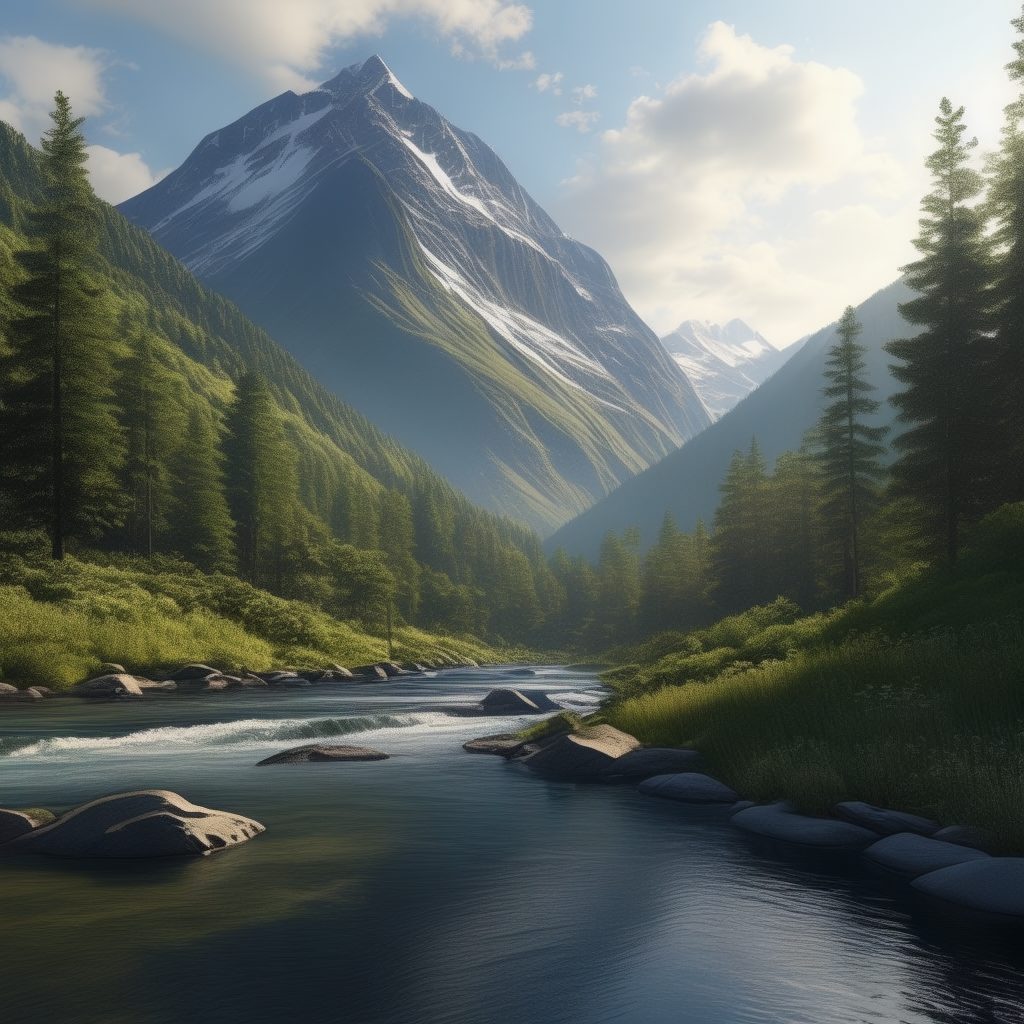
Style: Realistic landscape painting
Features: Scenic mountain range, a meandering river, vibrant foliage, and realistic lighting and shadows.
- "Create a futuristic cityscape with towering skyscrapers, flying vehicles, and neon-lit streets."
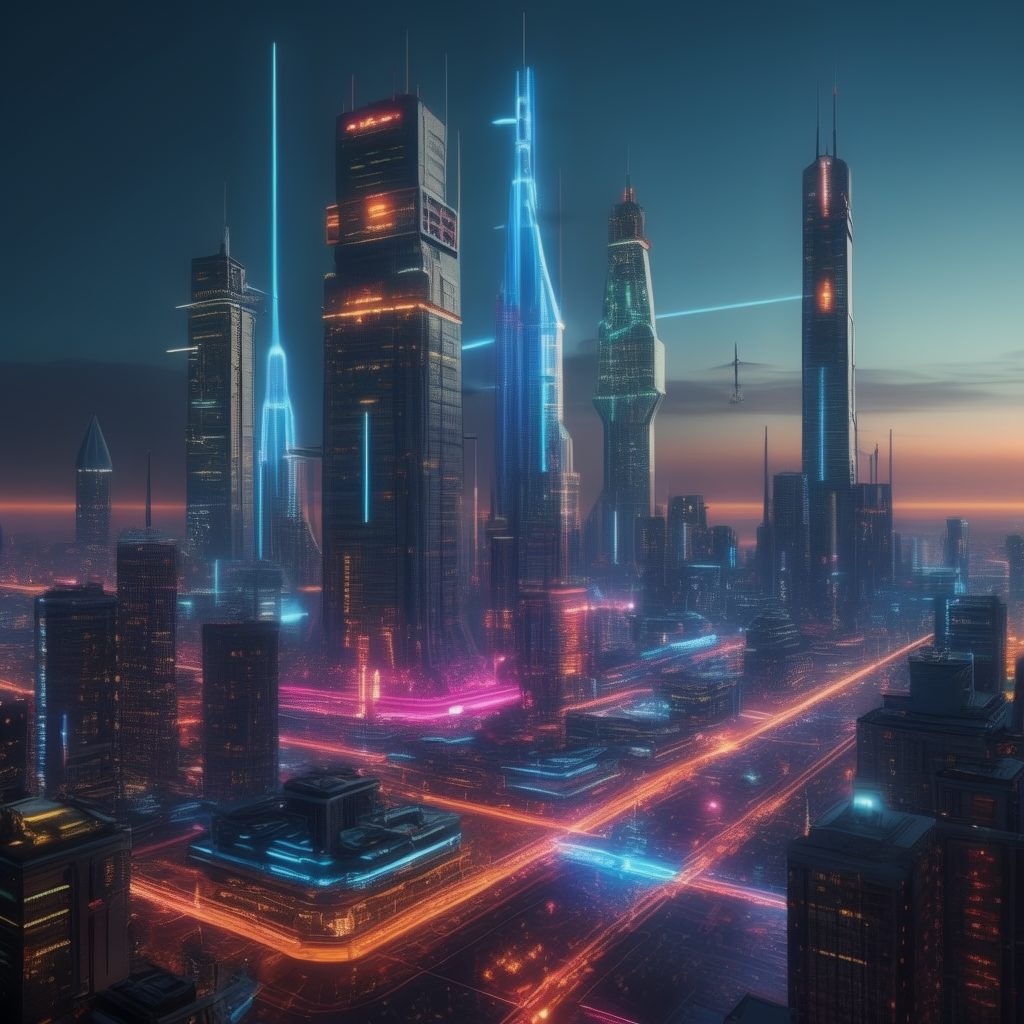
Style: Sci-fi futuristic cityscape
Features: Ultra-modern skyscrapers, flying cars or drones, bustling streets with futuristic lighting, and a high-tech metropolitan atmosphere.
- "Generate a vintage-inspired portrait with a sepia tone, soft lighting, and classic attire."
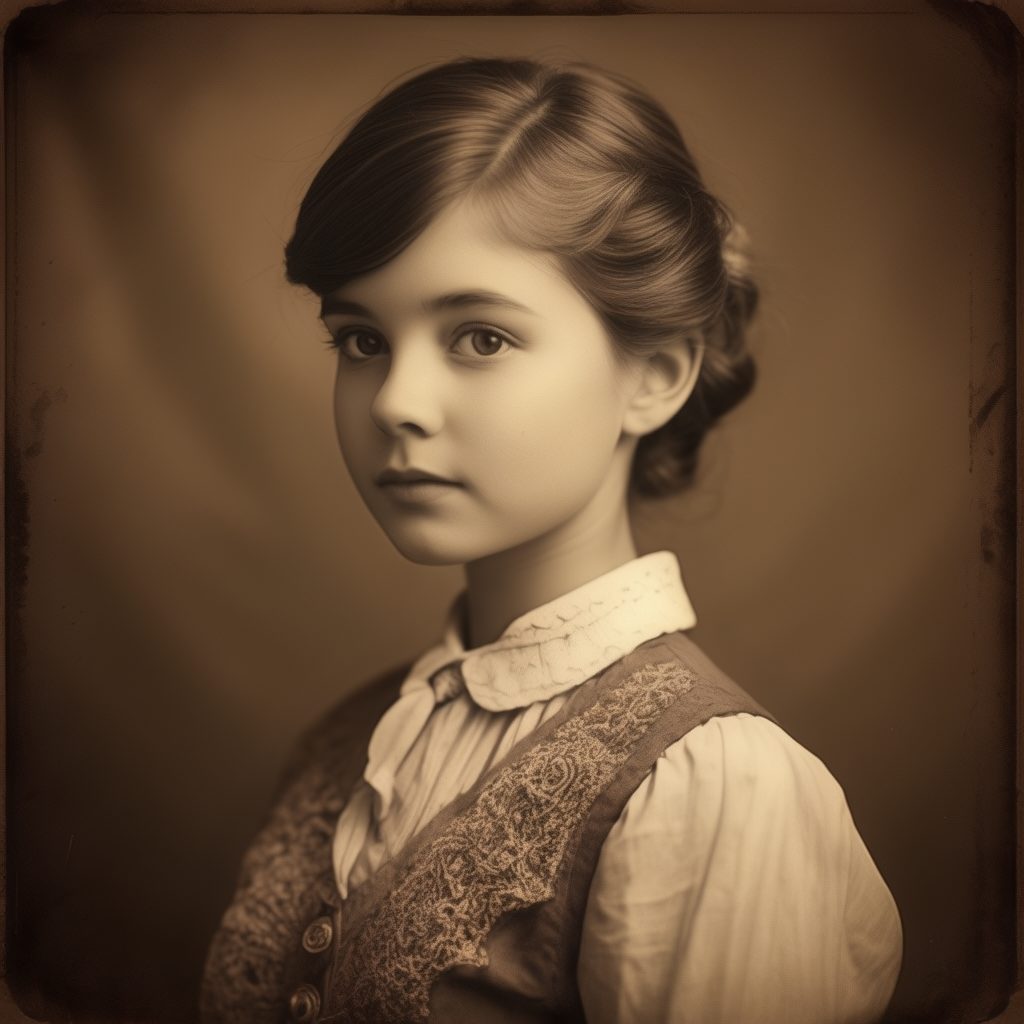
Style: Vintage portrait photography
Features: Soft, warm sepia tones, classic attire and hairstyles, nostalgic ambiance, and timeless elegance.
- "Produce an abstract art piece with vibrant colors, dynamic shapes, and fluid textures."
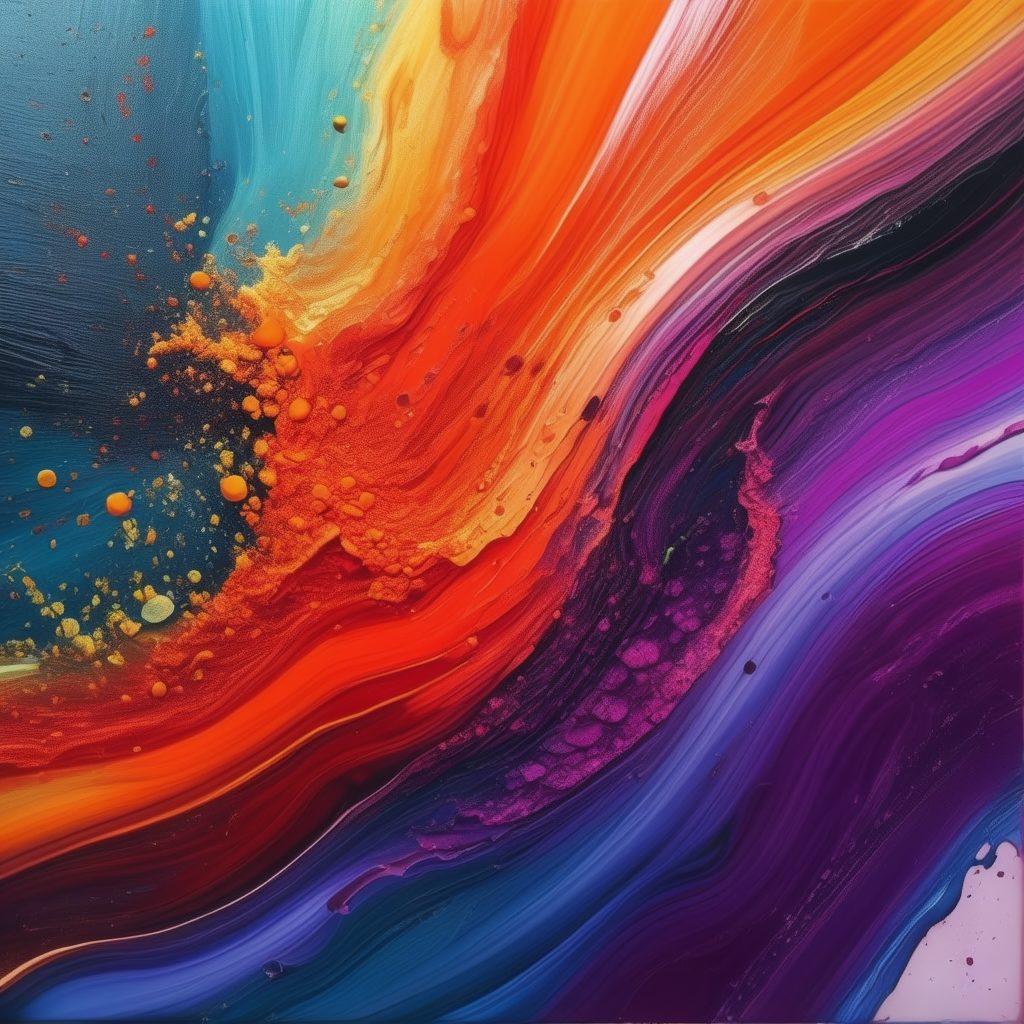
Style: Abstract art
Features: Bold and vibrant color palette, intricate and dynamic shapes, fluid and expressive textures, and a sense of movement and energy.
How to Structure a Prompt to Generate an AI Image
When structuring a prompt for image generation, it's essential to consider the specific style and features you want the AI image generation to embody. Here's a guide on how to structure a compelling prompt for image generation:-
Specify the Style:
-
Describe the Features:
Learn how to master prompt engineering
-
Add Context and Emotion.
-
Consider the Technical Specifications:
-
Provide Examples (optional):
By following AI image generation techniques, businesses and creative professionals can effectively communicate their vision and requirements for image generation, ultimately leading to the creation of visually compelling and purposeful imagery.
These examples showcase the diverse range of prompts and the corresponding styles and features of the generated images. By utilizing prompting techniques, businesses can leverage these capabilities to create unique visual content tailored to their specific needs and industries, whether it’s for marketing, design, or artistic expression.
Top 5 free AI tools for Image Generation
When it comes to free AI image generation tools, there are several options available that offer impressive features without the need for a financial investment. Here are the top 5 free AI tools for image generation, along with their key features:-
DeepArt:
-
Deep Dream Generator:
Also read about the Top 8 AI Tools for Code Generation
-
Artisto:
-
Let's Enhance:
-
DeepAI:
These free AI tools provide users with a range of features and functionalities to explore their creativity and generate impressive images without any financial commitment. Whether you’re an artist, designer, or simply someone interested in experimenting with image generation, these tools offer a great starting point.
Which Prompting Technique Do You Use for AI Image Generation?
In conclusion, AI image generation through prompting techniques has evolved significantly, offering tech companies innovative ways to create and utilize visual content.The continuous development of these techniques presents exciting opportunities for businesses to enhance their products and services through unique, generated imagery.
Also explore how to use Generative AI for Art GenerationWant to build AI agents that can reason, plan, and execute autonomously?
Learn more